
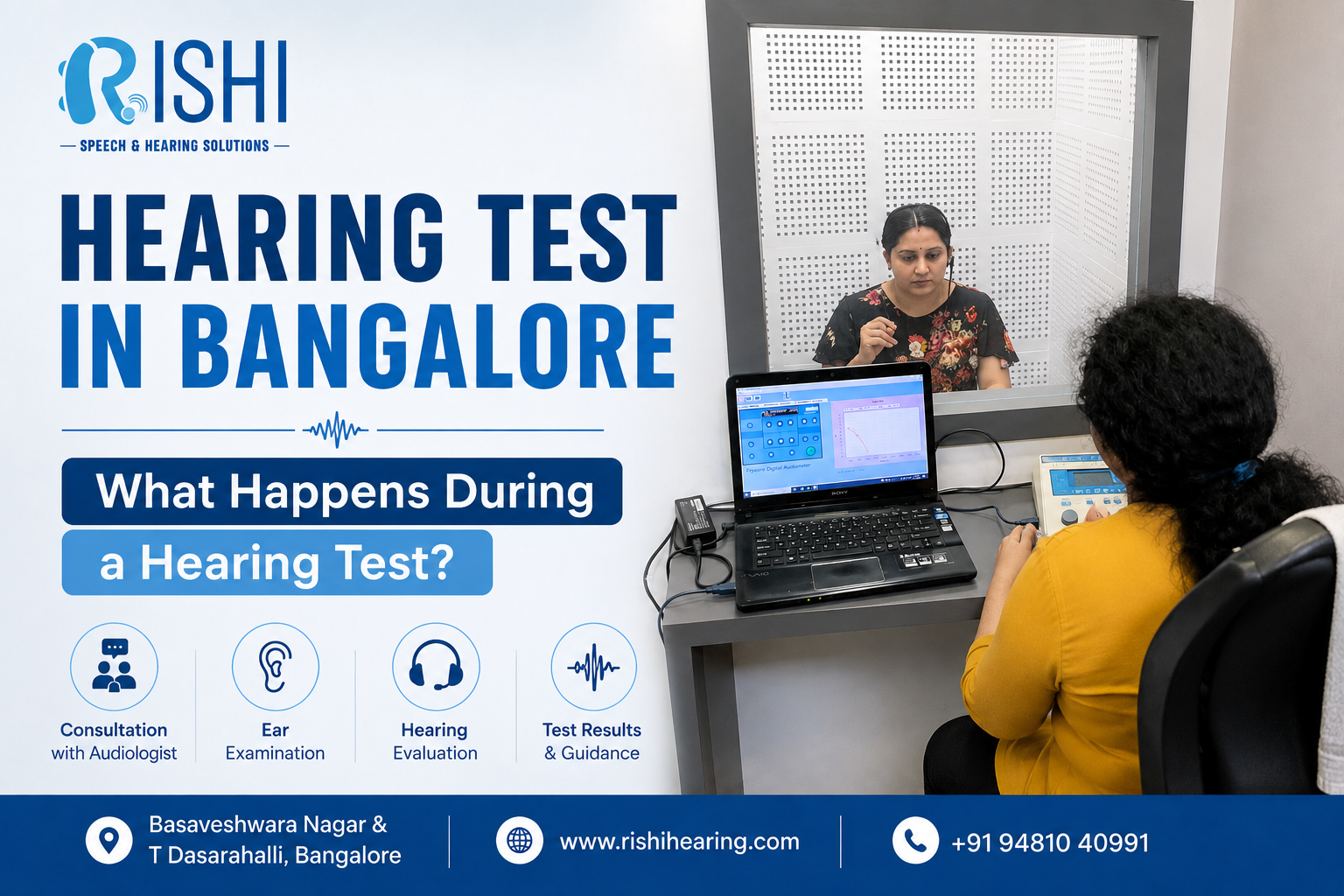
Hearing is something most of us take for granted, until it starts slipping away quietly. Unlike a sprained ankle or a toothache, hearing loss rarely announces itself. It creeps in gradually, a conversation you almost caught, a TV volume that keeps climbing, a phone call you had to ask someone to repeat. Because it develops slowly, most people wait years before getting it checked.
Hearing health matters at every age. For children, it shapes speech and language development. For working adults, it affects communication, confidence and safety at work. For older adults, untreated hearing loss has been linked to social withdrawal and cognitive strain. Whatever your age, a hearing test is one of the simplest ways to understand where you stand.
If you have been noticing signs like frequently asking what?, struggling in noisy restaurants, or turning the TV up louder than everyone else likes, it may be time to consider a hearing test in Bangalore. This article walks you through exactly what a professional hearing test involves, from the first consultation to understanding your results, so you know what to expect before you book one.
What Is a Hearing Test?
A hearing test, also called a hearing assessment or audiometric evaluation, is a set of simple, painless procedures used to measure how well you hear different sounds, tones and speech. It’s conducted by a qualified audiologist using calibrated equipment in a controlled environment.
The purpose of a hearing test isn’t just to confirm whether you have hearing loss, it’s to understand the type, degree, and pattern of your hearing ability across different frequencies. This information helps the audiologist recommend the right next steps, whether that’s simple monitoring, medical referral, or hearing aid support.
It’s worth understanding the difference between two commonly used terms:
- Hearing screening: A quick check, often done at health camps or as an initial step, to flag whether further testing is needed. It’s not a detailed diagnosis.
- Comprehensive hearing evaluation: A detailed, multi step assessment conducted at an audiology clinic in Bangalore, covering pure tone testing, speech understanding and middle ear function. This gives a complete picture of your hearing health.
If you have had a screening that flagged a concern, or you simply want a thorough understanding of your hearing, a comprehensive evaluation is the way to go.
When Should You Get a Hearing Test?
Hearing changes are often noticed by people around you before you notice them yourself. Some common signs that it might be time for a hearing check up in Bangalore include:
- Frequently asking people to repeat themselves
- Increasing the TV or phone volume more than others prefer
- Struggling to follow conversations in noisy places like restaurants or family gatherings
- Feeling like people around you are mumbling
- Ringing, buzzing, or hissing sounds in your ears (tinnitus)
- Difficulty understanding conversations on the phone
- Family members or colleagues pointing out that you seem to be missing what’s said
If even one or two of these sound familiar, it’s worth getting checked rather than waiting.
Should You Wait Until Hearing Loss Becomes Severe?
It’s tempting to put off a hearing test, especially when the difficulty seems mild or occasional. But hearing loss usually progresses gradually, and the brain adapts to reduced sound input over time, which can make it harder to notice how much has actually changed. Early detection makes management easier, whether that means addressing an underlying ear issue or exploring hearing aids before the loss becomes more pronounced. There’s little benefit in waiting and a test itself carries no risk or discomfort.
What Happens During a Hearing Test in Bangalore?
This is the part most people are curious and sometimes a little nervous about. Here’s a step by step look at what a typical, comprehensive hearing assessment involves.
Step 1: Consultation With an Audiologist
Every hearing test begins with a conversation, not a machine. The audiologist will ask about your specific hearing concerns, when you first noticed changes, which situations are most difficult and whether the issue affects one ear or both. You’ll also be asked about your general and hearing related history, including:
- Any previous ear infections, surgeries, or injuries
- Exposure to loud noise (occupational, recreational, or otherwise)
- Current medications, especially any known to affect hearing
- Family history of hearing loss
This consultation helps the audiologist understand the context behind your symptoms and decide which specific tests are most relevant for you.
Step 2: Ear Examination
Next comes a visual examination of the ear using an otoscope, a small instrument with a light that lets the audiologist look into the ear canal. This step checks for:
- Excessive earwax buildup, which can itself cause muffled hearing and skew test results
- Signs of infection, inflammation, or fluid in the ear canal
- Any visible abnormalities of the eardrum or ear canal
If earwax or an infection is found, it’s addressed or noted before proceeding, since it can otherwise affect the accuracy of the tests that follow.
Step 3: Pure Tone Hearing Test
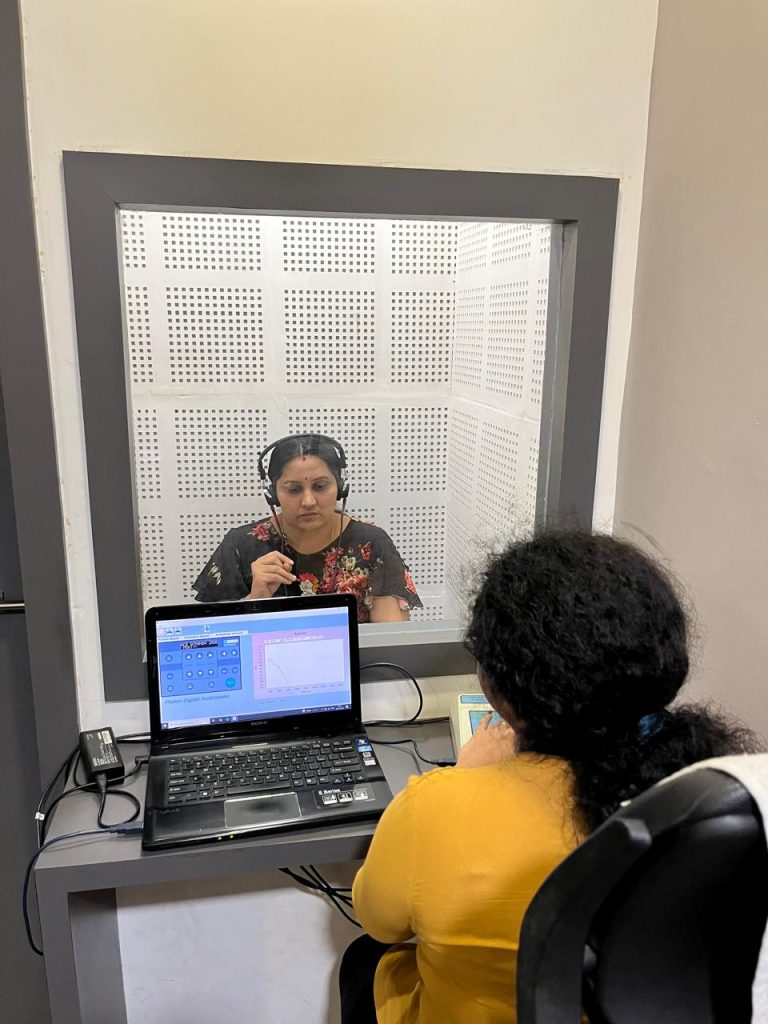
This is the test most people picture when they think of a hearing check up. You’ll sit in a quiet room or sound booth wearing headphones or insert earphones connected to an audiometer. The machine plays a series of tones at different pitches (frequencies) and volumes, one ear at a time.
Your task is simple: respond, usually by pressing a button or raising your hand, every time you hear a sound, even faint ones. By gradually adjusting the volume, the audiologist identifies your hearing threshold: the quietest level at which you can detect a tone at each frequency. These thresholds are plotted on a chart called an audiogram, which forms the core of your hearing test results.
Step 4: Speech Audiometry
Detecting a tone is one thing, understanding speech is another. Speech audiometry measures how well you can hear and correctly repeat spoken words at varying volumes, often presented through headphones.
This step matters because real world hearing isn’t about beeps, it’s about following conversations, understanding instructions and picking out speech in background noise. Two people can have similar pure tone results but very different speech understanding, which is why this test adds an essential layer to the overall picture of your hearing ability.
Step 5: Tympanometry
Tympanometry evaluates the middle ear rather than your hearing directly. A small probe is placed at the entrance of the ear canal, and gentle air pressure changes are used to measure how your eardrum moves in response.
This test helps detect issues such as:
- Fluid behind the eardrum
- Eardrum perforation
- Poor eustachian tube function
- Reduced eardrum mobility due to pressure changes
Tympanometry is often recommended when the audiologist suspects a middle ear issue is contributing to your hearing difficulty, or when initial results need further clarification.
Step 6: Additional Hearing Tests
Depending on your age, symptoms and initial findings, the audiologist may recommend further specialised tests, such as:
- OAE (Otoacoustic Emissions) testing: Measures the inner ear (cochlea) response to sound, often used for newborn and infant hearing screening.
- BERA/ABR (Brainstem Evoked Response Audiometry): Assesses how the auditory nerve and brainstem respond to sound, useful for young children or when a more detailed neurological picture is needed.
- Other specialised assessments, based on individual clinical need.
Not everyone needs every test, your audiologist will tailor the assessment based on what your consultation and initial results indicate.
How Long Does a Hearing Test Take?
A standard, comprehensive hearing test typically takes around 30 to 45 minutes, though this can vary depending on how many individual tests are required. A basic screening may take less time, while a more detailed evaluation involving tympanometry or additional tests can take longer.
The process is generally straightforward and unhurried, there’s no need to prepare for anything strenuous, and most people find the entire visit comfortable and easy to sit through.
Is a Hearing Test Painful?
No. Standard hearing tests are non invasive and painless. Here’s what you can generally expect:
- The pure tone test simply involves listening to sounds through headphones, no discomfort at all.
- The speech test involves repeating words you hear, also completely painless.
- Tympanometry may cause a brief sensation of pressure in the ear as air pressure changes, but it isn’t painful and lasts only a few seconds per ear.
- The ear examination with an otoscope is quick and doesn’t touch or enter the ear canal deeply.
How to Prepare for a Hearing Test
You don’t need extensive preparation, but a few simple steps can make your visit smoother and more useful:
- Bring previous hearing reports, if you have had any tests done before, so the audiologist can compare results over time.
- Mention any ear-related concerns clearly, including pain, discharge, dizziness, or tinnitus.
- Inform the audiologist if you currently use a hearing aid and bring it along if possible.
- Avoid making assumptions about your results beforehand, try not to over or under estimate your hearing difficulty going in, and let the test give you an objective picture.
Understanding Your Hearing Test Results
After the assessment, your results are usually presented on an audiogram, a chart plotting sound frequency (pitch) against intensity (loudness), showing the quietest sound you can hear at each frequency.
A few terms you’ll likely come across:
- Hearing threshold: The softest sound level you can detect at a given frequency, measured in decibels (dB).
- Degrees of hearing loss: Results are generally categorised as normal, mild, moderate, severe, or profound, based on where your thresholds fall.
- Air conduction vs. bone conduction: Air conduction testing measures how sound travels through the ear canal and middle ear (via headphones), while bone conduction testing measures how sound is perceived when transmitted directly through the skull bone to the inner ear. Comparing the two helps identify whether a hearing issue originates in the outer/middle ear or the inner ear.
- Speech understanding scores: These indicate how clearly you can recognise and repeat words, which is just as important as tone detection for real life communication.
This section is meant to help you understand the language of your report, your audiologist will walk you through your specific results and what they mean for you, rather than leaving you to interpret an online chart on your own.
What Happens After the Hearing Test?
Once your results are ready, the audiologist will discuss the findings with you and outline next steps based on what’s found:
- No significant hearing difficulty: You’ll likely be advised on routine monitoring and general ear care habits.
- An ear related issue (like wax buildup, infection, or a suspected eardrum problem): You may be referred to an ENT specialist for further evaluation or treatment.
- Confirmed hearing loss: The audiologist will discuss suitable management options based on the type and degree of loss identified.
- Hearing aids, if clinically appropriate, may be recommended, along with guidance on suitable styles and technology levels.
- Follow up testing may be suggested, either to monitor a mild change over time or to reassess after treatment of an underlying issue.
The goal is always a plan that matches your specific results, not a one size fits all recommendation.
How Much Does a Hearing Test Cost in Bangalore?
Hearing test pricing in Bangalore varies depending on the type and number of tests involved. A basic hearing screening is typically less extensive and usually less expensive, than a comprehensive evaluation that includes pure tone audiometry, speech audiometry, tympanometry and any additional specialised tests.
Because costs depend on your specific needs, confirm the exact tests you need and the associated fees directly with the clinic before your appointment.
Where Can You Get a Hearing Test in Bangalore?
If you are looking for a reliable place for a hearing test near me in Bangalore, Rishi Speech & Hearing Solutions offers professional, audiologist led hearing assessments using advanced diagnostic equipment.
At Rishi Hearing, every hearing test is guided by qualified audiologists who take the time to understand your concerns before recommending the right combination of tests. Beyond testing, the clinic also provides hearing aid consultations when clinically appropriate, along with speech therapy services, making it a convenient, one stop option for hearing and communication care.
Rishi Hearing operates from two locations in Bangalore:
- Basaveshwaranagar Clinic: #330, 1st Floor, Above Yes Bank, 3rd Stage, 4th Block, West of Chord Road (Landmark: 8th Main Bus Stop), Basaveshwaranagar, Bangalore – 560079
- T. Dasarahalli Clinic: #1478, Ground Floor, DRLS Plaza, Tumkur Road, Peenya, T. Dasarahalli, Bangalore – 560057
For those who can’t visit in person, home visit hearing care is also available.
To book an appointment or ask any questions before your visit, you can call +91 94810-40991 or reach out on WhatsApp.
Conclusion
A hearing test is one of the simplest, most informative steps you can take for your overall wellbeing, yet it’s often overlooked until hearing difficulty starts affecting daily life. Whether it’s persistent trouble following conversations, ringing in the ears, or a nagging sense that something has changed, these are signals worth paying attention to, not dismissing.
Rather than guessing or self diagnosing based on how you feel, a professional hearing assessment gives you a clear, objective picture of your hearing health and a clear path forward if any concerns are found.
If you’ve been putting off getting checked, there’s no better time to start. Book a hearing test with Rishi Speech & Hearing Solutions at their Basaveshwaranagar or T. Dasarahalli clinics in Bangalore, or call +91 94810-40991 to schedule your appointment today.
Frequently Asked Questions
Q1. How often should I get a hearing test?
If you have no known hearing issues, an occasional check up is generally sufficient, especially past middle age. If you notice any signs of hearing difficulty or work in a noisy environment, it’s advisable to get tested sooner and follow up as recommended by your audiologist.
Q2. At what age should hearing be tested?
Hearing can be tested at any age, including newborns through specialised infant screening. Adults are usually advised to get a baseline check by their 50s, or earlier if symptoms appear.
Q3. Can a hearing test detect hearing loss in one ear?
Yes. Pure tone and speech audiometry are conducted separately for each ear, so asymmetrical or one-sided hearing loss can be clearly identified.
Q4. Can children undergo a hearing test?
Yes. Children of all ages, including infants, can be tested using age appropriate methods such as OAE testing, behavioural audiometry, or BERA/ABR, depending on the child’s age and development.
Q5. Do I need a hearing test if I can hear normally?
If you have no symptoms and no risk factors, routine testing isn’t usually urgent. However, a baseline hearing test can still be useful, particularly for older adults or those regularly exposed to loud noise.
Q6. Can earwax affect hearing test results?
Yes. Excess earwax can block sound from reaching the eardrum and may cause artificially reduced hearing results. This is why an ear examination is done before the hearing test itself.
Q7. Should I see an ENT or an audiologist for a hearing test?
Audiologists specialise in hearing assessment and are typically the first point of contact for a hearing test. If a medical or surgical ear issue is identified, you’ll be referred to an ENT specialist for further care.
Q8. Can hearing loss be treated with hearing aids?
For many types and degrees of hearing loss, hearing aids are an effective management option. Whether they’re suitable for you depends on your specific test results and hearing needs, which your audiologist will assess.
Q9. How long does a hearing test take?
A comprehensive hearing test usually takes around 30 to 45 minutes, depending on how many individual assessments are needed.
Q10. Is a hearing test safe?
Yes, completely. Hearing tests are non-invasive, painless, and carry no risk. They involve listening to sounds and, in some cases, gentle pressure changes during tympanometry.